Speed has always been one of the biggest challenges in industrial 3D printing. Manufacturers want to produce more parts, reduce costs, and make additive manufacturing (AM) competitive with traditional production methods. But even with faster machines, making large quantities of plastic parts still takes time.

Illustration of VECTRON’s parallel laser technology used in Voxel Laser Sintering.
At Formnext 2026, Singapore-based VECTRON introduced VLS325, a new polymer 3D printing system built around its Voxel Laser Sintering (VLS) technology. Instead of relying on a laser to move across a layer of powder and fuse material section by section, VECTRON uses thousands of individually controlled lasers to fuse different areas of the powder bed at the same time.
VECTRON claims the technology can print up to 20 times faster than conventional selective laser sintering (SLS) and up to twice as fast as HP’s Multi Jet Fusion (MJF), with the potential to lower production costs. These comparisons cover the printing process, excluding preheating and cooling times.
The difference lies in how the powder is fused. In traditional SLS, a laser moves across a bed of polymer powder, follows the shape of each part, and fuses selected areas. Once a layer is complete, the machine applies another layer of powder and starts again. In VECTRON’s system, each laser acts somewhat like a pixel, delivering energy to a specific location. By activating multiple lasers simultaneously, the system can fuse an entire layer without having to trace each part individually.
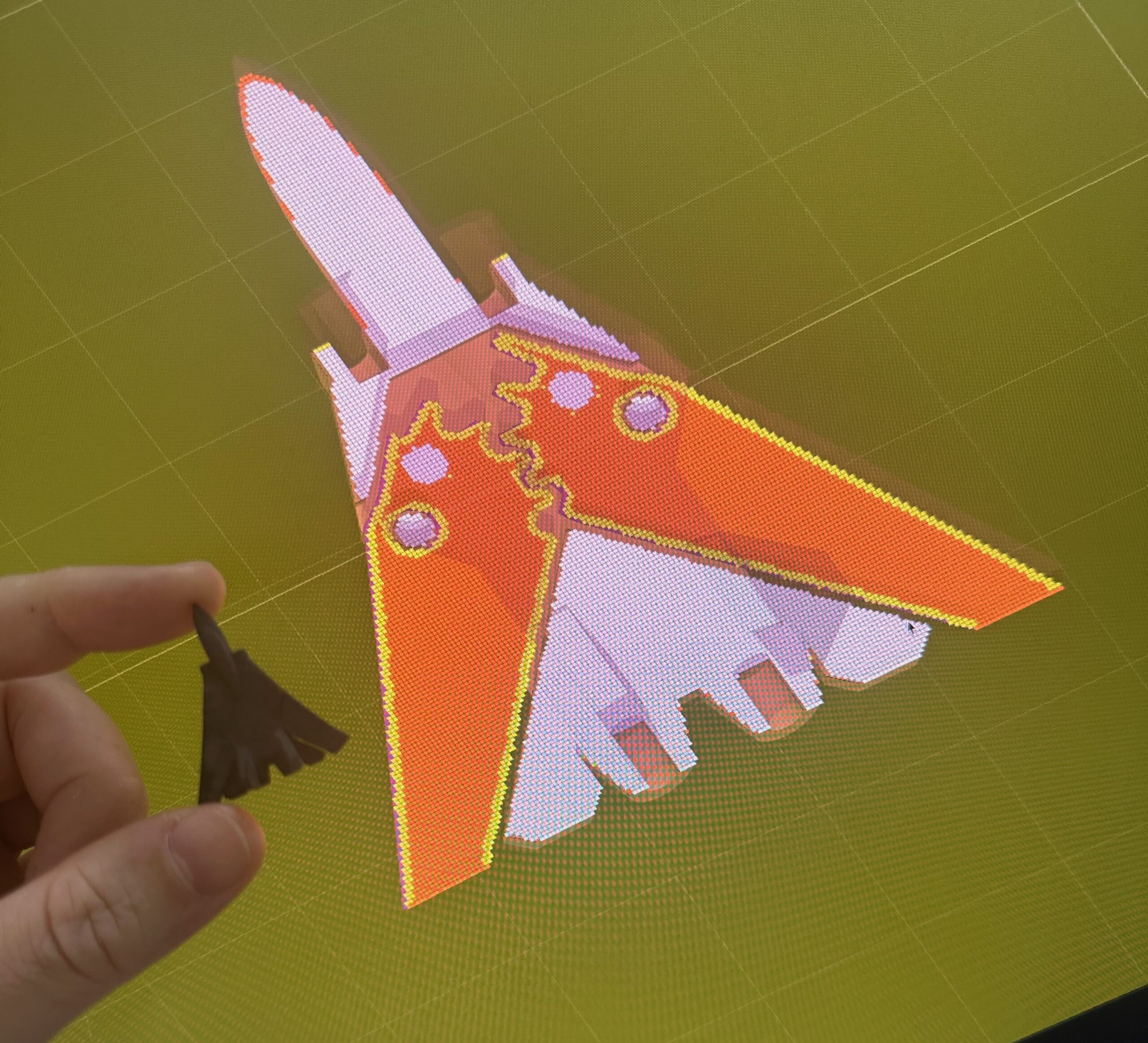
Visualization of a 3D model prepared using VECTRON’s digital laser-control technology.
The VLS325 also uses a high-speed powder recoating system designed to reduce the time between layers. With sintering times reduced, VECTRON says powder recoating has become the main factor limiting the speed of the printing process. VECTRON’s near-infrared laser array operates without conventional moving laser-scanning optics, while its software controls how energy is delivered across the powder bed to reproduce fine details.
Another feature of VLS is that it works with standard polymer powders, without requiring additional fusing or detailing agents. By eliminating the need for those additional consumables, the process could also help manufacturers reduce costs, particularly when producing large batches of parts.
One advantage of this approach is that laser exposure time remains largely consistent, even as more parts are added to the build. VECTRON says its technology could fuse a 600 × 600 mm area in less than two seconds, with smaller or larger areas requiring roughly the same exposure time. While the VLS325 has a build volume of 325 × 175 × 250 mm, the larger example illustrates how the technology could scale to bigger machines.
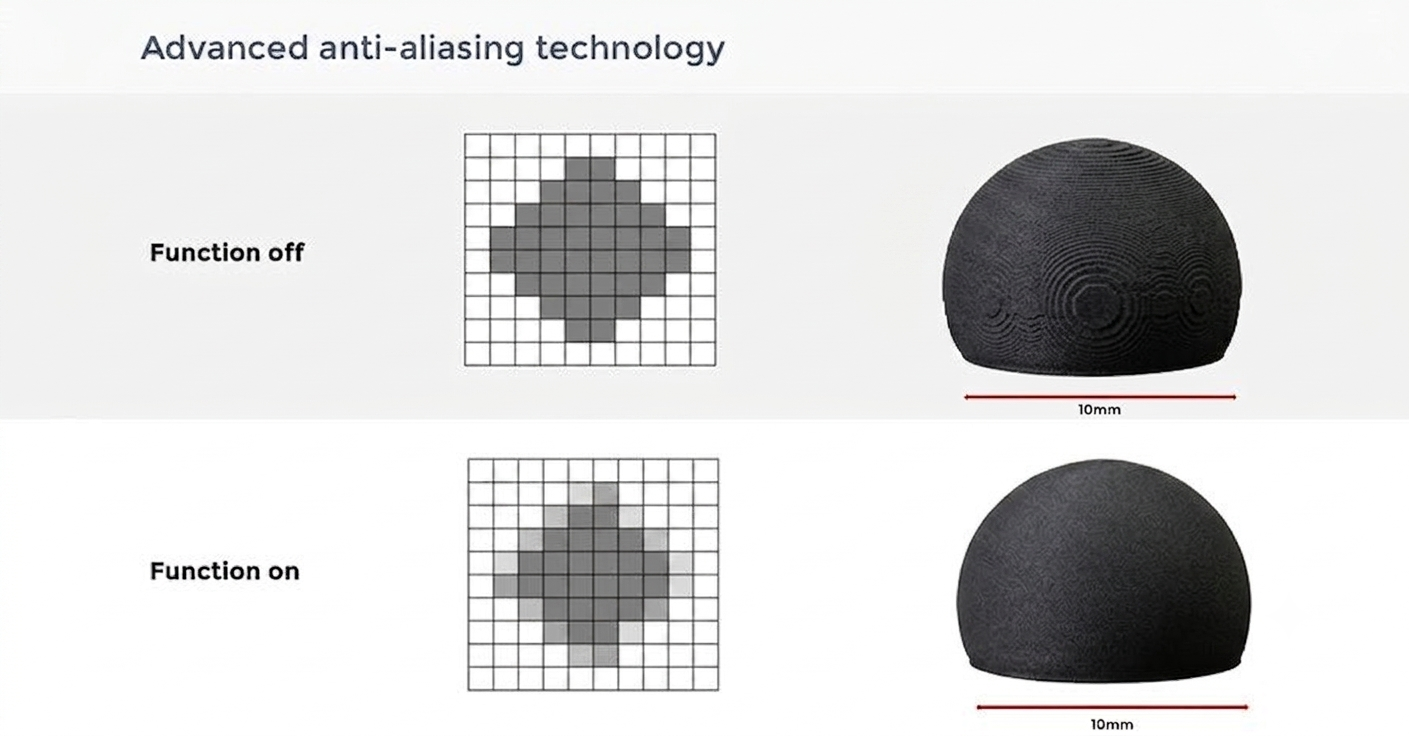
Comparison showing how VECTRON’s anti-aliasing technology improves surface detail.
For manufacturers producing large batches of components, this means they could potentially fill more of the build area without significantly increasing the time needed to fuse each layer. Along with faster printing, VECTRON sees an opportunity to lower production costs by increasing the number of parts a machine can produce over time.
VECTRON is also launching an early adopter program for its first 10 machines, with deliveries planned for the second quarter of 2027. The first five printers, offered through a Founders program, are priced at $69,000 each and include 50 kg of powder and commercial powder mixing and depowdering equipment. Five additional machines will also be offered through the early adopter program.
VLS is designed to work with several widely used industrial polymers, including PA12, PA11, polypropylene (PP), and thermoplastic polyurethane (TPU). PA12 and PA11 are widely used for functional components that require a combination of durability, strength, and flexibility. TPU is particularly useful for flexible parts, while polypropylene is valued for its low weight, chemical resistance, and durability. The system is ready to process PA12, PA11, and TPU, with PP support expected in the first quarter of 2027. VECTRON is also testing a low-cost PLA powder for more cost-sensitive applications.
-
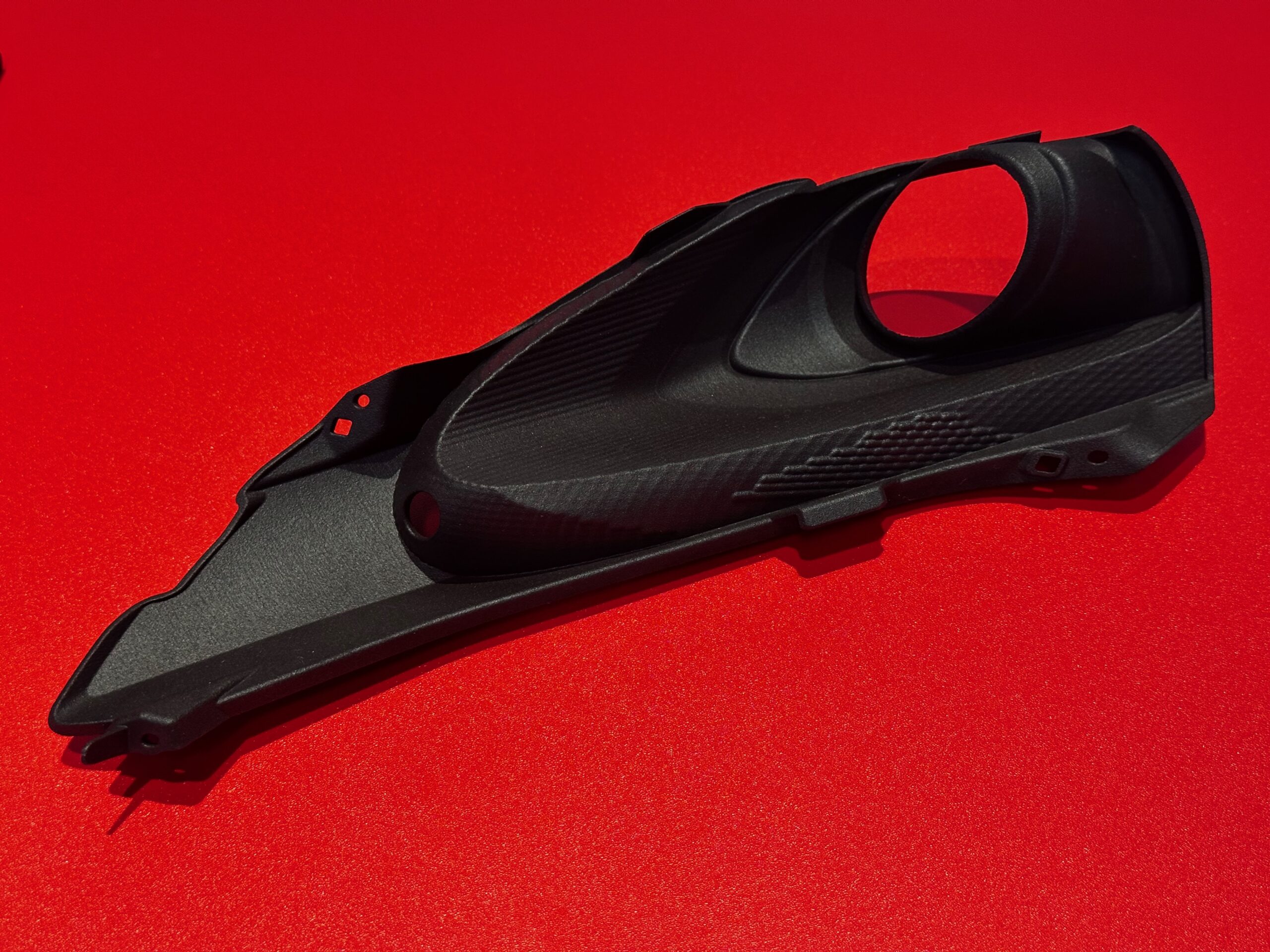
- Polymer component made with VECTRON’s 3D printing technology.
-
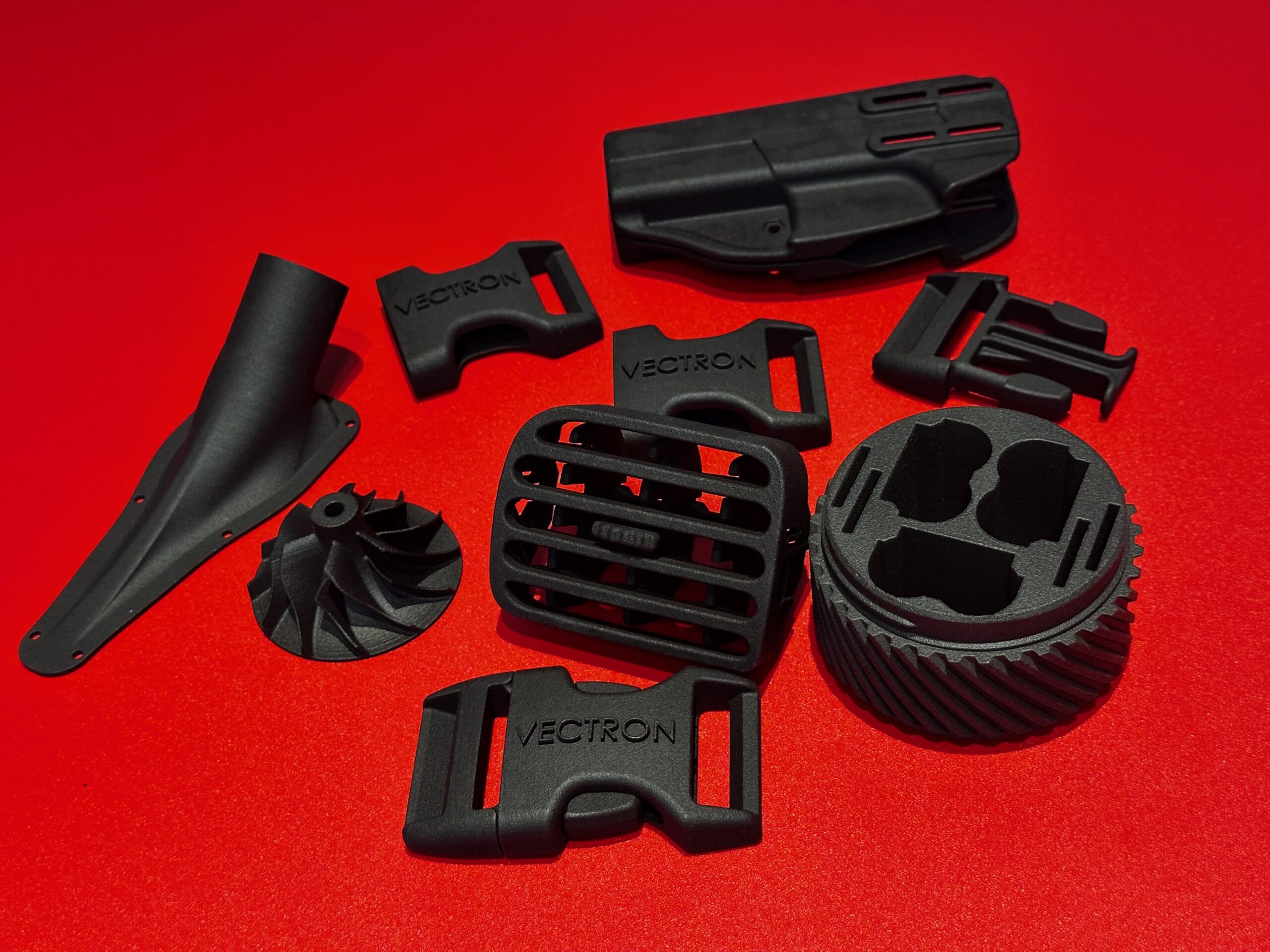
- Sample polymer components showcasing VECTRON’s 3D printing technology.
-
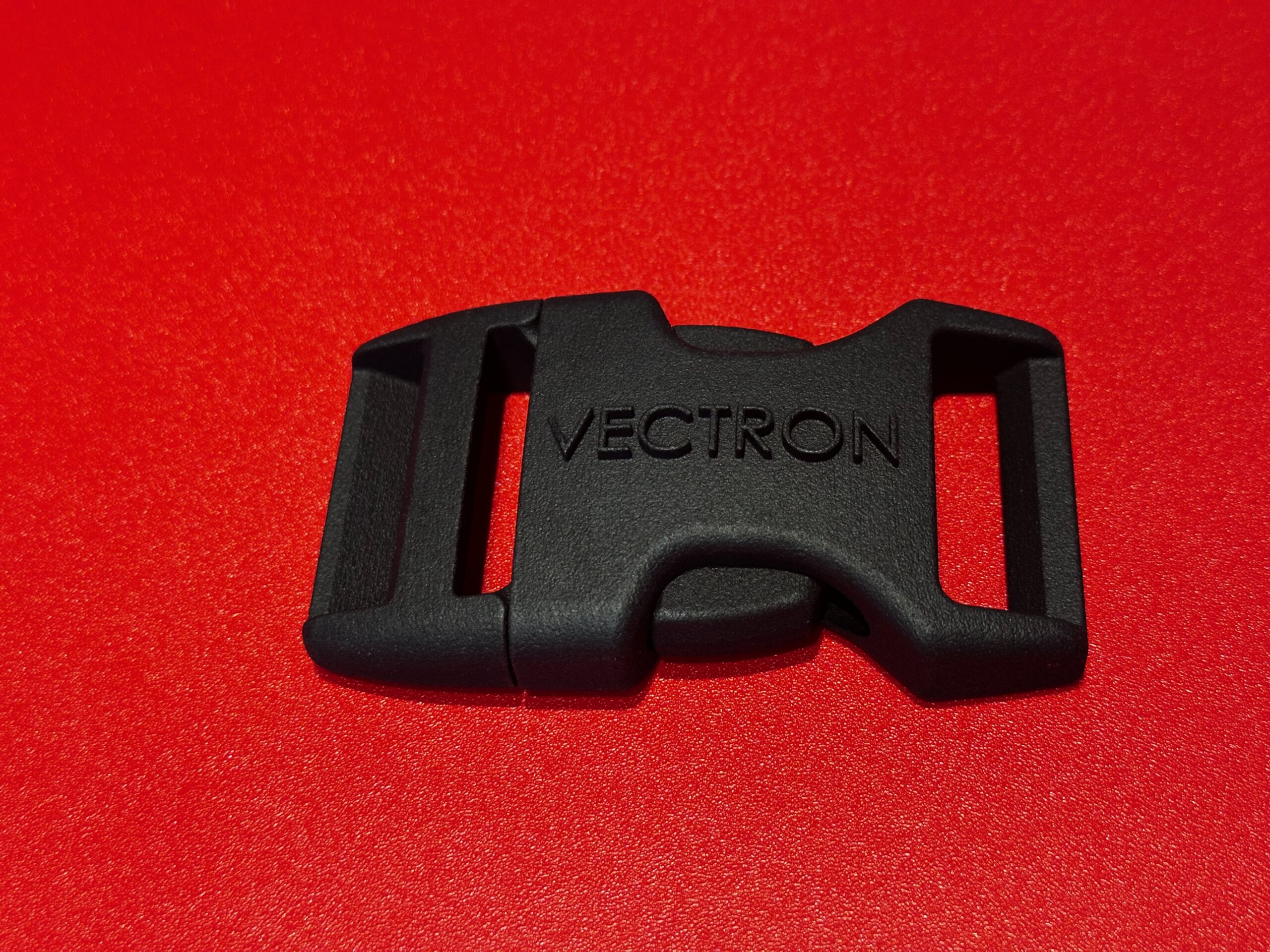
- Close-up of a VECTRON-branded 3D printed buckle.
Automakers already use PP in a wide range of conventional components, and VECTRON sees an opportunity to bring the material into higher-volume additive manufacturing applications. The company is targeting automotive series production, along with service bureaus and manufacturers producing connectors, consumer products, and other functional end-use parts.
Behind VECTRON is founder Luca Veneri, who has been developing laser sintering technology for more than a decade. In 2014, his earlier venture, Norge Systems, introduced the ICE1 and ICE9, two machines designed to make SLS more accessible. At the time, 3DPrint.com covered the company’s efforts to bring lower-cost laser sintering to smaller businesses. More than a decade later, Veneri is focusing on the economics of industrial-scale production.
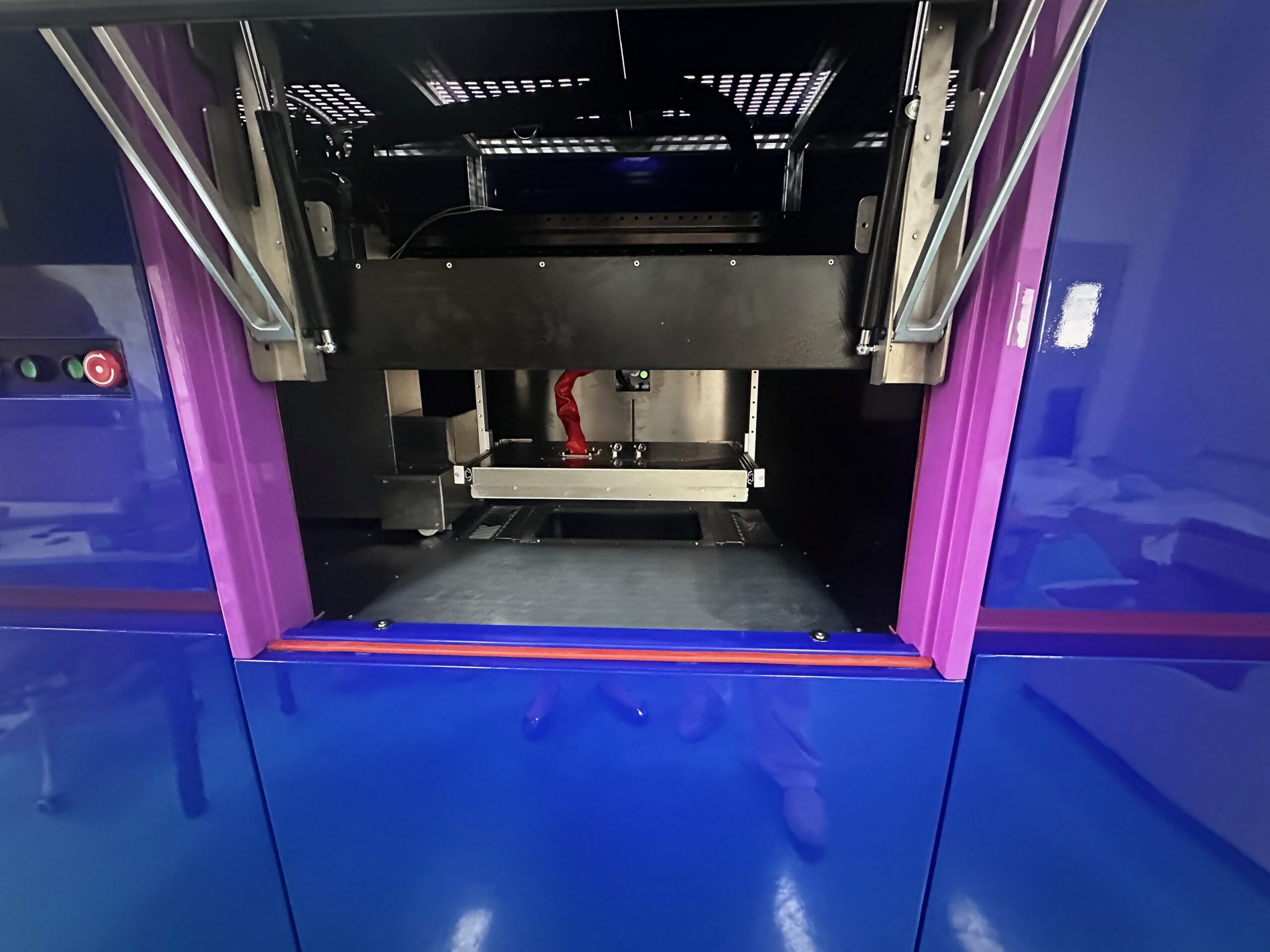
Interior view of VECTRON’s polymer 3D printing system.
VECTRON, previously known as Voxelsint Singapore, represents a different stage of that work. After three years of development largely out of the public eye, VECTRON has now introduced its technology to the industry at Formnext 2026.
“Every machine on the market today shares the same speed limit, and it’s built into how they work. We didn’t try to push that limit — we removed it. VECTRON fuses the whole layer at once in high resolution,” said Veneri.
Faster production could help service bureaus handle more customer orders with the same equipment. For automotive manufacturers, it could make 3D printing a more practical option for producing larger batches of functional parts. In both cases, the goal is to improve productivity without adding unnecessary production costs.
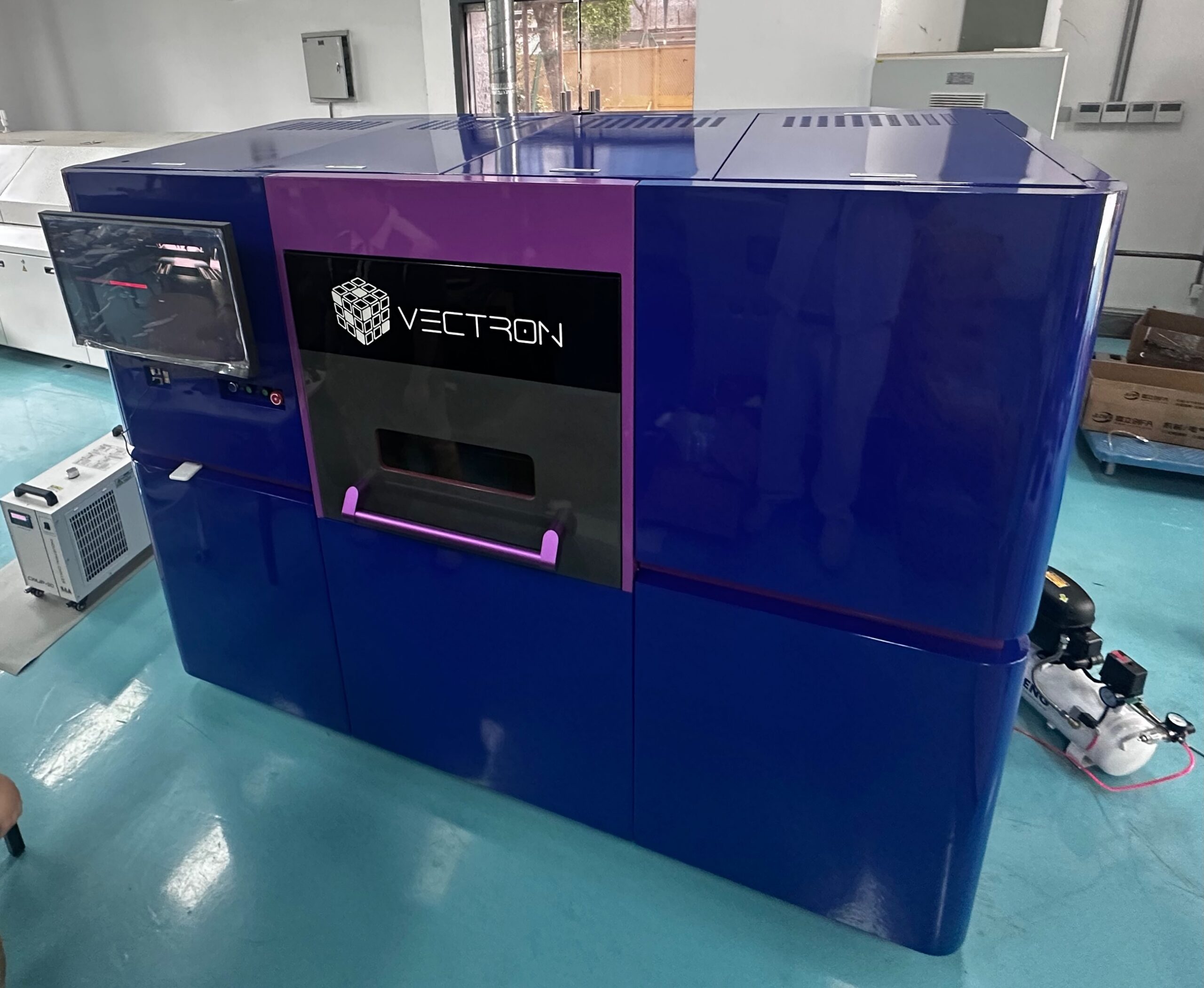
VECTRON’s industrial polymer 3D printing system.
At Formnext 2026, VECTRON showcased its software suite and sample parts, giving visitors a closer look at how the technology works. The company’s team was also available for technical discussions during the event.
For VECTRON, the next step is bringing VLS from development into industrial use. Its Formnext debut gave manufacturers their first look at a technology designed to make larger-scale polymer production faster and more economical. Veneri also sees potential to scale the technology down to more compact, consumer-level laser sintering systems that would be easier to use than today’s desktop SLS printers.
Images courtesy of VECTRON
VECtron / Voxel laser sintering
Discover the VLS325
Explore VECTRON’s new polymer 3D printing system, featuring thousands of individually controlled lasers, a 325 × 175 × 250 mm build volume, and an early adopter program with deliveries planned for Q2 2027.
Subscribe to Our Email Newsletter
Stay up-to-date on all the latest news from the 3D printing industry and receive information and offers from third party vendors.
Upload your 3D Models and get them printed quickly and efficiently.