
Woolly mammoths. Dire wolves. Dodos. The list of extinct animals tied to Colossal Biosciences is already impressive. Now the company is adding another unusual project to that growing lineup. Researchers at Colossal say they have successfully hatched 26 live chicks using an artificial egg system that combines silicone membranes with a 3D printed shell designed to recreate some of the conditions inside a natural egg.
According to information shared with 3DPrint.com by the company, some prototype versions of the shell were produced using a Formlabs Form 4 printer and BioMed Black Resin before later iterations were developed in titanium. The Dallas-based company believes the technology could eventually help conserve endangered bird species and support future de-extinction efforts involving birds that resemble extinct animals like the dodo or the giant moa. For species such as the giant moa, artificial incubation systems may be essential because no living bird is large enough to naturally incubate eggs of that size.
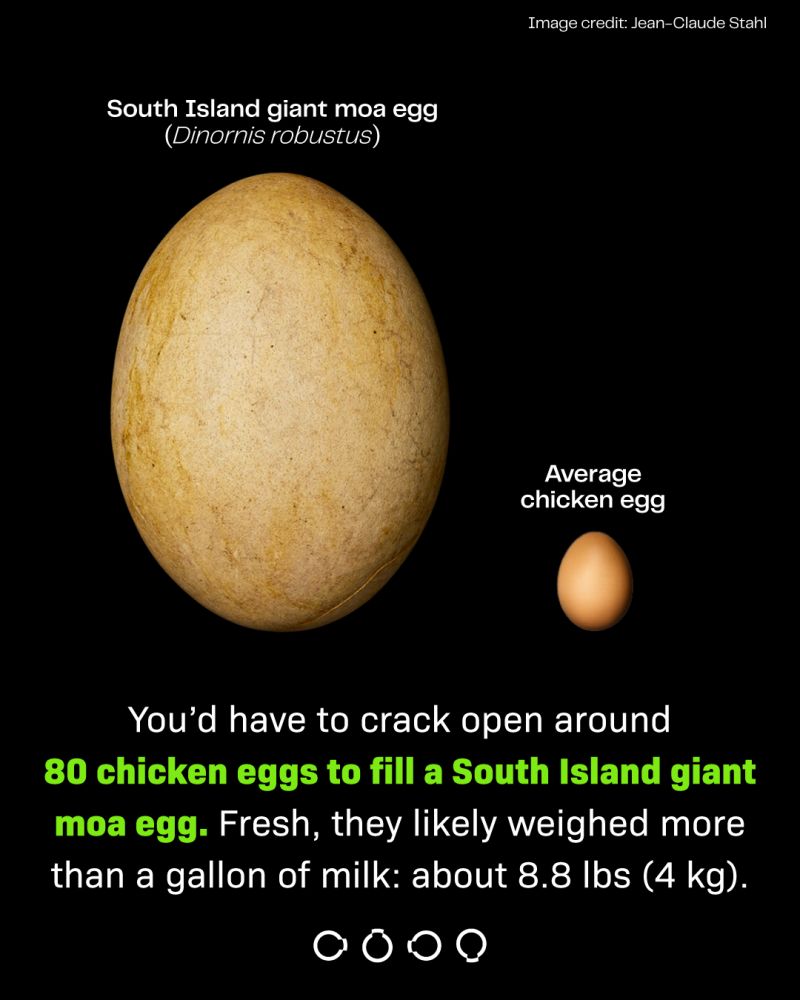
An egg from the extinct South Island giant moa held around 80x the volume of an average chicken egg. Image courtesy of Colossal Biosciences.
As with all of its previous announcements, this one sparked plenty of attention far beyond the biotech world. After all, baby birds emerging from synthetic eggs designed in a lab sounds like something pulled from a Michael Crichton novel. But beneath the science-fiction-like headlines is a story about incubation, oxygen exchange, materials engineering, and the growing role of advanced manufacturing in biotechnology.
The project recently drew attention online after Microsoft executive Mohak Shroff visited Colossal’s Exogenous Development Lab and described seeing a “3D printed shell and a gas-permeable membrane” designed to reinvent the egg through technology. According to Shroff, Colossal scientists explained how the system was engineered to recreate the environment embryos need to survive and develop outside a natural shell.
The artificial incubation system developed by Colossal is not just a plastic egg but an engineered structure that mimics key functions of a natural eggshell during embryonic development.
In a normal bird egg, the shell does much more than provide protection. It controls oxygen flow, moisture, gas exchange, and calcium transfer during development. In fact, researchers have spent decades trying to recreate the conditions inside a natural bird egg, but replicating oxygen exchange, humidity, mineral transfer, and embryo protection artificially has proven exceedingly difficult.
Colossal’s system uses a soft silicone membrane and a rigid 3D printed shell designed to imitate some of the key functions of a real eggshell. The goal was to create an environment where the embryos could still breathe, grow, and develop normally, even without a natural shell. In the end, 26 chicks successfully hatched.
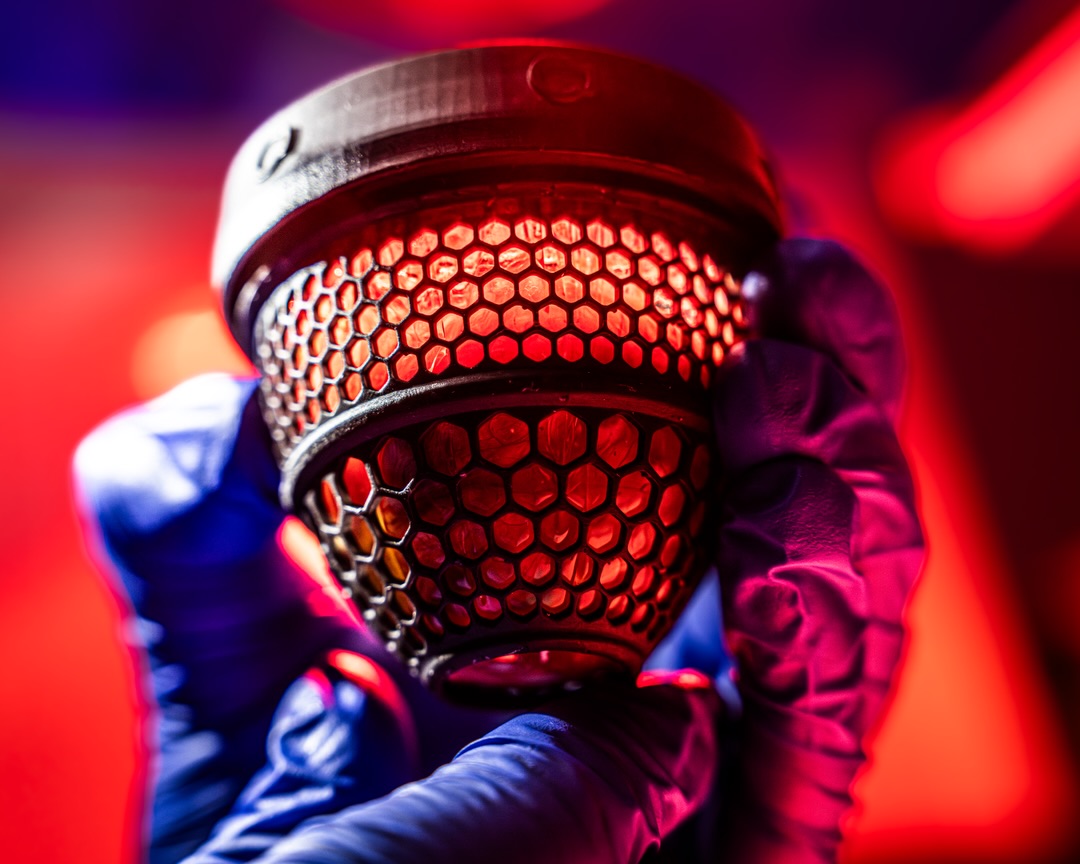
The Colossal artificial egg. Image courtesy of Colossal Biosciences.
Colossal says the technology could one day help bring back extinct species. But the system could also help with something much more immediate, protecting endangered birds. Artificial egg systems like this could help conservation groups hatch eggs that are damaged, abandoned, too fragile, or difficult to incubate naturally. And that alone would be huge.
-
- Colossal artificial eggs hatched healthy chickens. Image courtesy of Colossal Biosciences.
-

- Colossal artificial eggs hatched healthy chickens. Image courtesy of Colossal Biosciences.
-
- Colossal scientists created an incubation system that can raise and hatch a chick outside a natural eggshell. Image courtesy of Colossal Biosciences.
Around the world, many conservation programs already use incubators to help save endangered species. Birds like the California condor, for example, have depended heavily on artificial incubation and captive breeding programs to survive. But bird embryos are extremely delicate. Small changes in oxygen, humidity, or airflow inside the egg can mean the difference between life and death for a developing chick.
And this is often where 3D printing finds its place. When the problem becomes too specialized, too delicate, or too difficult for traditional manufacturing, additive manufacturing tends to step in.
Traditional manufacturing is not very good at handling constant changes and customization. Different bird species can have different egg shapes, shell thicknesses, and incubation needs. 3D printing makes it much easier for researchers to quickly adjust and test new designs without having to build entirely new molds or manufacturing tools every time.
The system is not simply a fully 3D printed egg replacing a natural shell. Instead, the printed structures appear to work alongside silicone membranes to help recreate the environment a developing chick needs to survive.
-
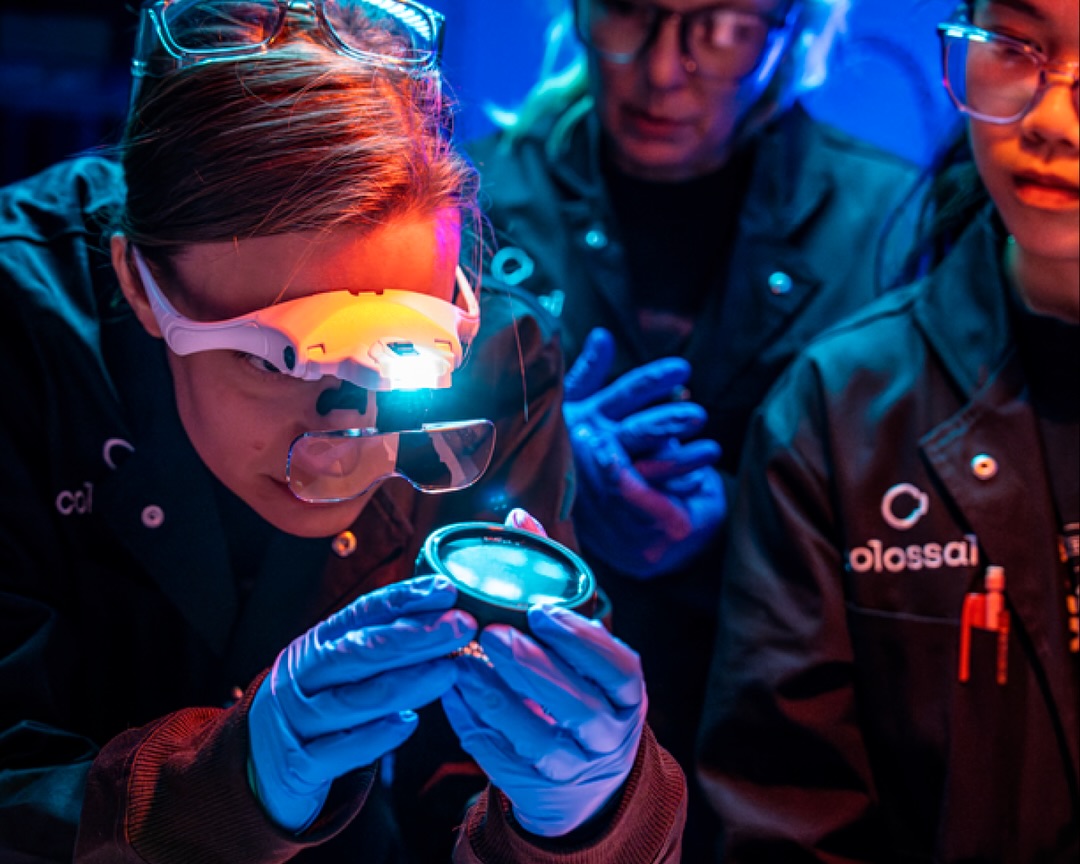
- Colossal scientists created an incubation system that can raise and hatch a chick outside a natural eggshell. Image courtesy of Colossal Biosciences.
-
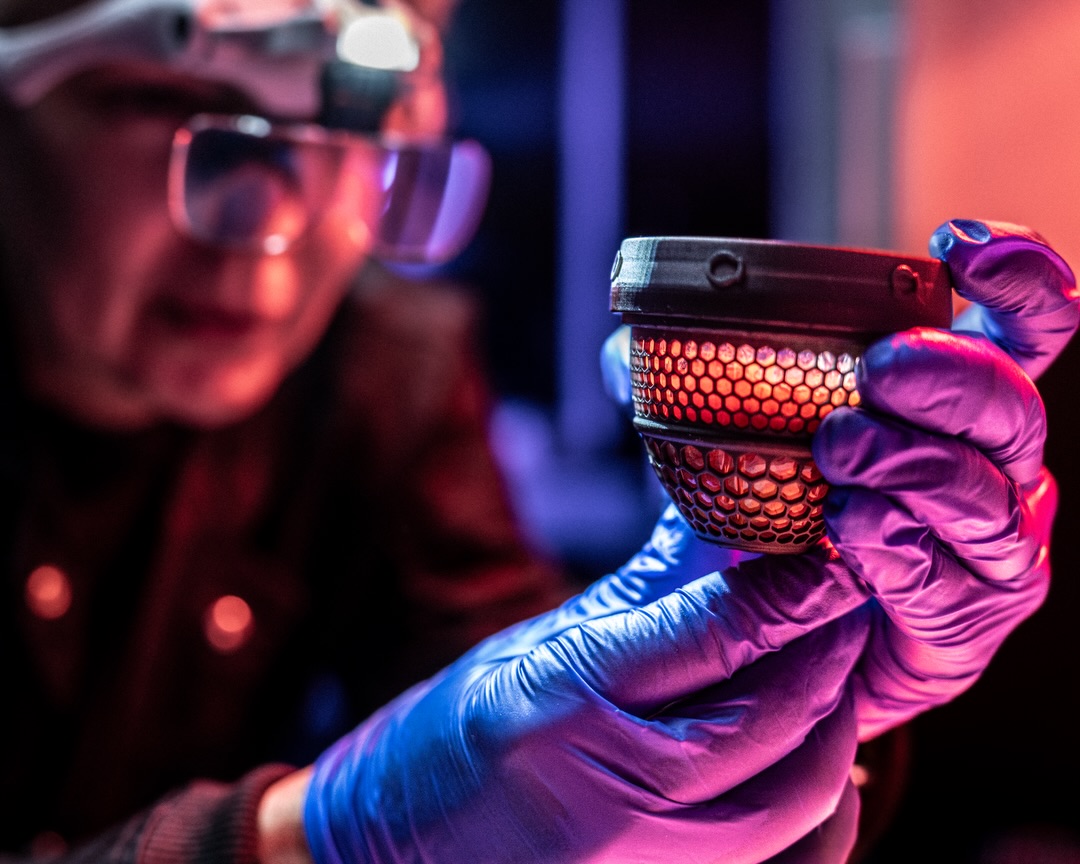
- The Colossal artificial egg. Image courtesy of Colossal Biosciences.
-
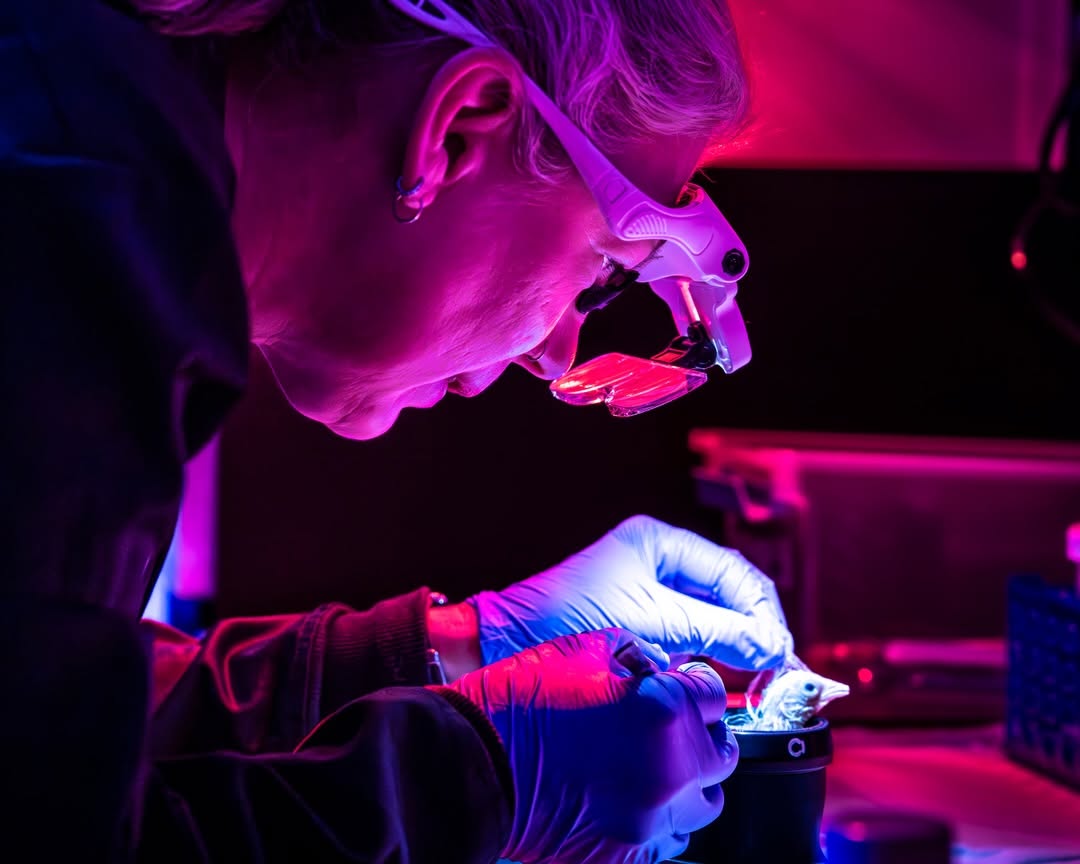
- Colossal scientists created an incubation system that can raise and hatch a chick outside a natural eggshell. Image courtesy of Colossal Biosciences.
The project also shows how 3D printing is increasingly being used in biotechnology. Researchers are already using the technology to create things like tissue structures, organ models, surgical tools, and customized medical devices. Artificial incubation systems may now become part of that growing list. The work also shows how biology and manufacturing are starting to overlap more and more. And in this case, one of the biggest breakthroughs for 3D printing may be learning how to create an artificial environment delicate enough to help sustain life.
Subscribe to Our Email Newsletter
Stay up-to-date on all the latest news from the 3D printing industry and receive information and offers from third party vendors.
Upload your 3D Models and get them printed quickly and efficiently.