
Across the globe, factories are using 3D printing to improve operations. Iterative improvements to production lines, automation tools, repairs, additions, custom parts for custom lines, housings for new sensors, and the like, temporary fixes, improvements to allow new products, it’s all being 3D printed. Conveyancing equipment, connectors, housings for electronics, components for lines, aftermarket add-ons, country-specific changes, sieves, grippers, rails, grips, control panels, nozzles, sorters, spacers, and more.
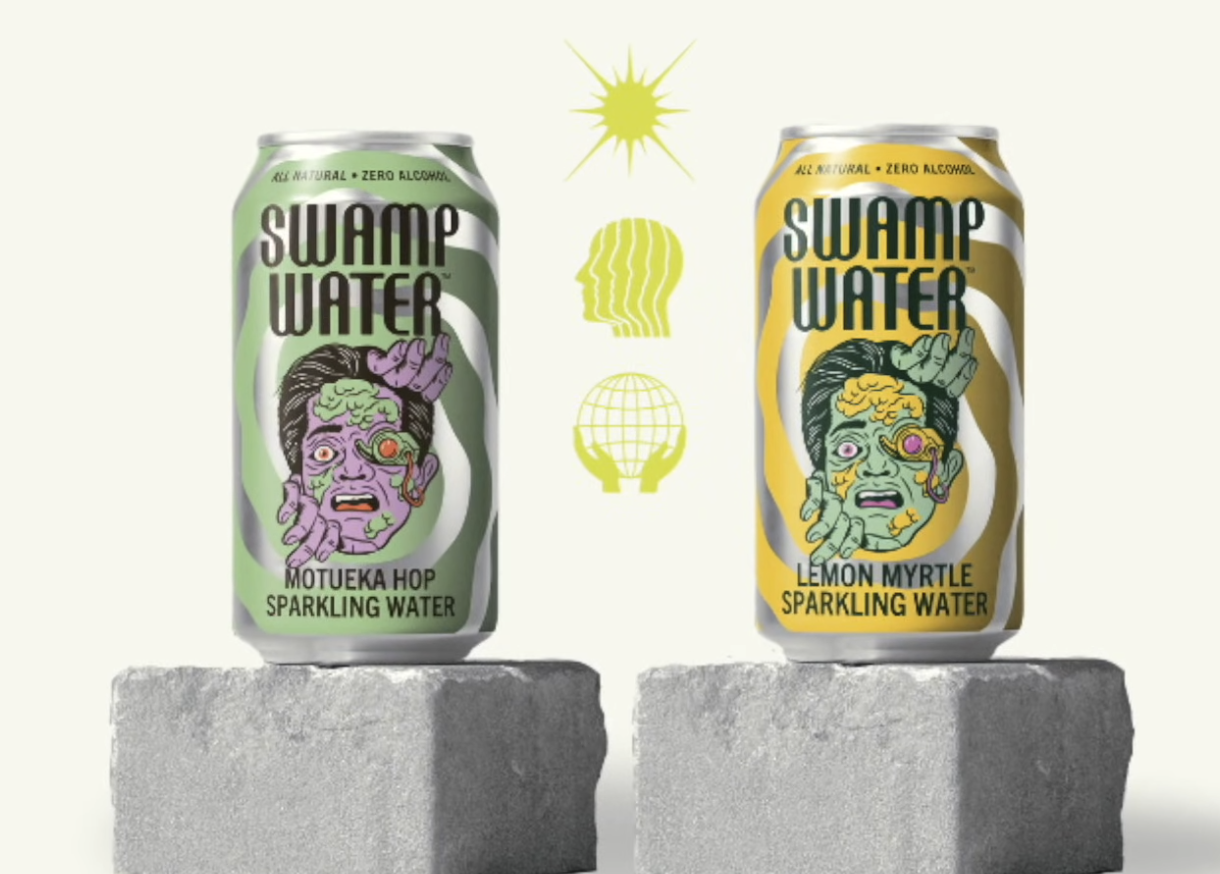
Swamp Water. Image courtesy of Hohly Water.
Companies are using 3D printing to refurbish lines, solve longstanding problems, eke out more efficiency, adapt to new circumstances, make them safer, and make them more profitable. Companies that make equipment for production lines, machine builders, integrators, consultancies, and manufacturing firms themselves are designing, commissioning, and implementing 3D printed upgrades. The returns on investment are at times astronomical. Out-of-production parts, lack of spares, or lack of a specific addition can sometimes make lines inoperable, and 3D printing can bring them back to life. But we almost never talk about this hidden success in 3D printing. Why is this?
- Partly, this is because 3D printing is often used here as a kind of duct tape to hold a system together. This kind of Duct Tape solution is not something anyone likes to talk about, even though we’ve been writing about this for five years. No one likes to hear that the line for your heart medication was recently patched up by Andy, who’s super inventive and handy with a caulking gun.
- Sometimes this is because 3D printing solves real problems that pose significant risks for manufacturers. Again, not a lot of PR people want to jab about how the industrial lubricant is now being mixed less into your candy.
- Oftentimes, companies don’t even share these kinds of improvements through internal PR. Inventive solutions in production are simply not discussed enough in many firms.
- A lot of times, the 3D printed improvement may be meaningful, but it is unlikely to sell more jets. If it can’t sell another GlobalExpress, why would we spread the story in the first place?
- Sometimes the advantages in OEE, cost, or in the final product are so significant that they must be kept a secret.
- At times, the 3D printed part may be mundane, but what it does or where it does it exposes a trade secret or a too-deep look inside a company.
- Line and machine builders can get significantly more margin and enter new markets quietly in competitive markets with 3D printed additions to their machines, turning a croissant line into a giant croissant line for a few hundred dollars. That is not publicized for competitive reasons.
- Sometimes, 3D printing is so commonplace in manufacturing departments that they don’t even realize how interesting it is to others.
- New-generation entrepreneurs like to disclose how they do things, whereas more established companies tend not to do so at all.
Nonetheless, 3D printed factory automation is a meaningful, spreading, highly impactful 3D printing vertical that is helping organizations across the world make more profit, waste less, and make more custom products and make more profit. Sadly, the number of examples is limited, constraining people’s thoughts and interest in the matter.
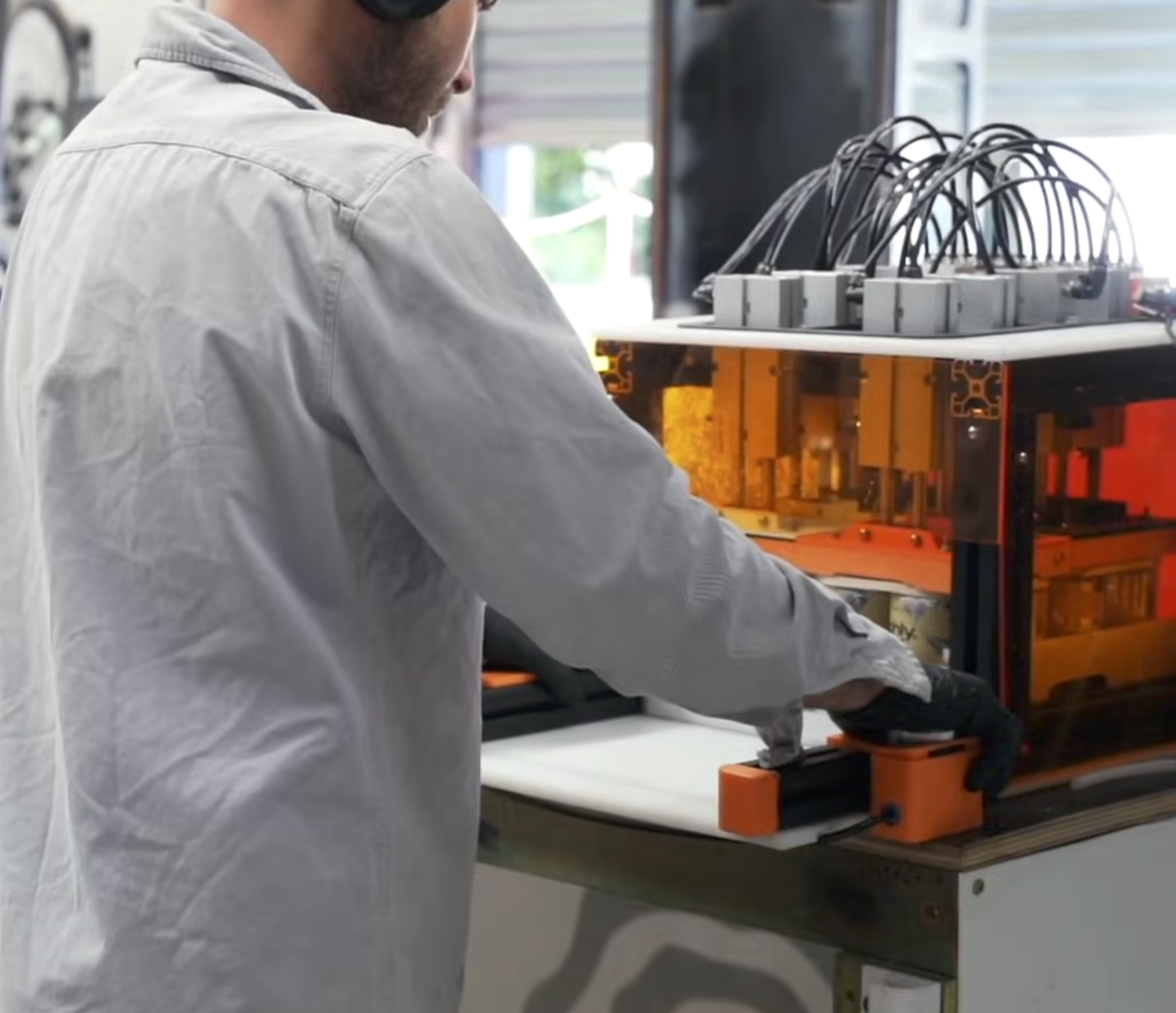
A video by one of those new-generation entrepreneurs could help us see just how valuable 3D printing is. JP is a Brisbane, Australia based entrepeneur. He started Hohly Water because he considered hard seltzer the holy grail of alcoholic beverages, as it was gluten-free and had no added sugar or carbs. He later started Swamp Water to reduce plastic consumption by offering canned water. He then added botanicals to mineral water, which he sells for $1.3 per can, while selling seltzer for $4 per can. JP is good at marketing and snazzy ideas. He is a solopreneur. Now, of course, that kind of thing is more than possible nowadays. You could use outsourced canneries or entire beverage makers to make your product and insource all from consultants. But what makes JP’s story interesting is that he built his own brewing and canning plant.
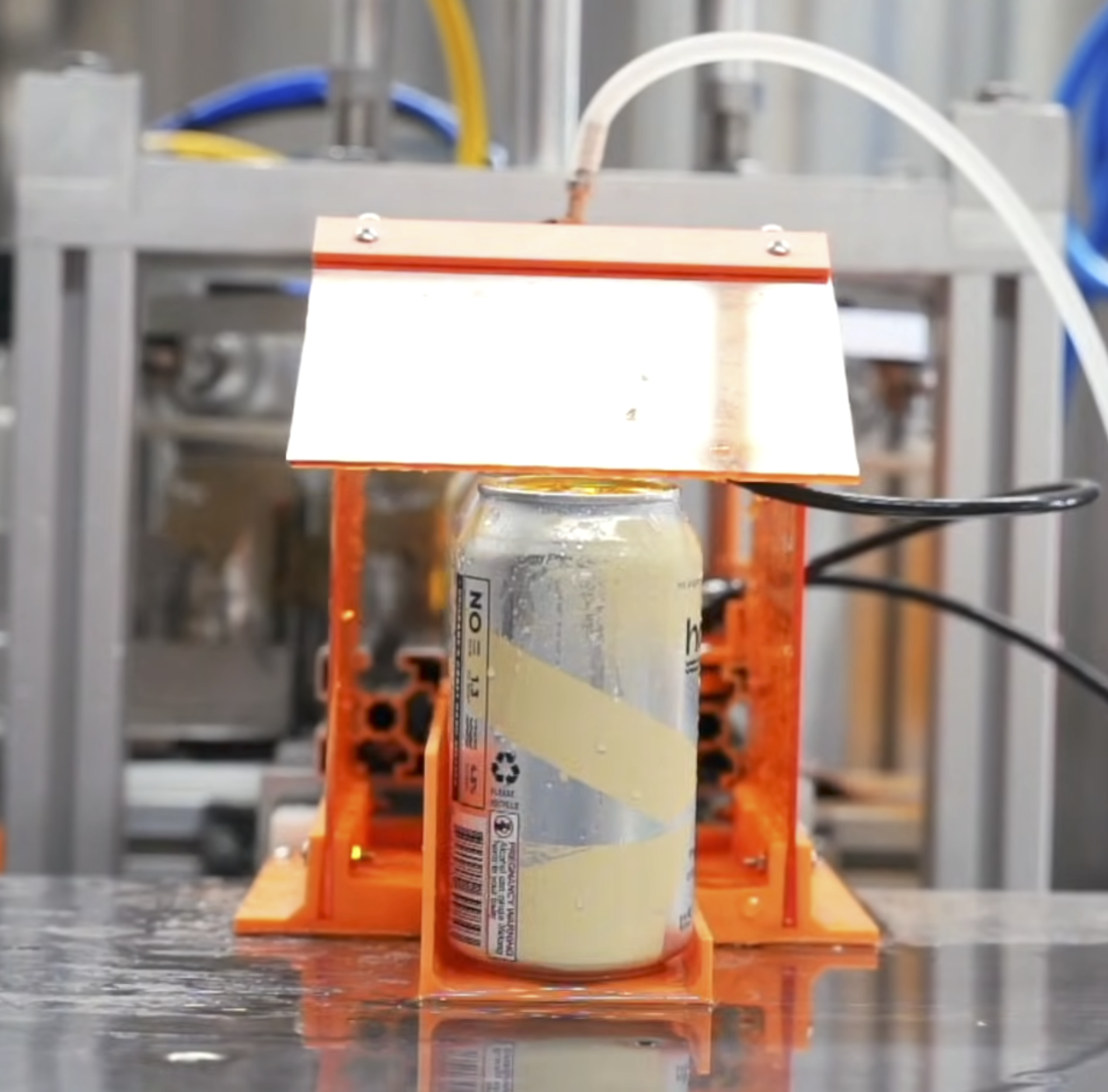
Factory automation. Image courtesy of Hohly Water.
Given enough money, anyone could order all the parts somewhere. But JP didn’t, or wasn’t able, to go for such a gold-plated solution. Instead, he built, tried to build, and hacked together new and old equipment to get there inexpensively. Rather than buying an expensive industrial heating unit, he buys a milk vat and adds heating to it, saving him tens of thousands of dollars. Rather than buy a filling machine, he tries to build one himself from scratch. He kills the project when he finds, after some time, that he has built the wrong kind of filling machine, which will never work. The next, bought one, is a first prototype by a manufacturer and this works poorly.
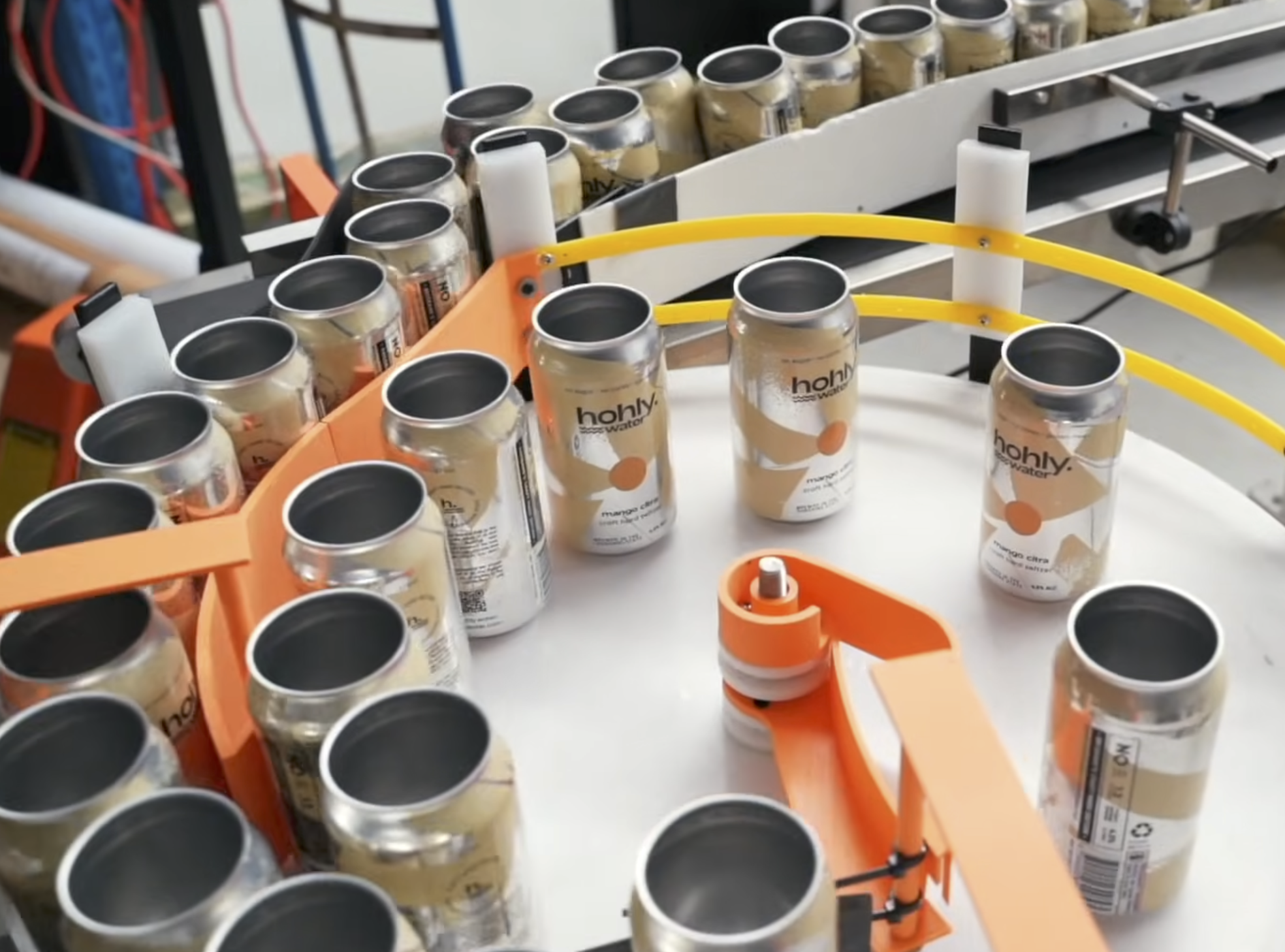
Factory automation. Image courtesy of Hohly Water.
All across his build process, he shares his learnings and how he has made his plant. And it’s a quizotic one for sure. Its a hard seltzer and mineral water plant that is meant to be run and operated by one person, him. This is a new way of looking at factory automation. What if, rather than the desk-side initial phase, you work on a one-person factory and keep that for the company to make it a profitable endeavor? JP is a civil engineer, but this does not deter him from doing a lot of software, mechanical, and electrical engineering, among other things. You simply must watch this video. It’s lovely. It really makes me think this is exactly how Were, Knipex, or Wiha got started through some kitchen table engineering and improvisation. In some sense, JP’s approach to personal manufacturing is more in keeping with the early industrial businesses than much of what we see today.
JP spent four years building his one-person seltzer factory. This is about as quixotic as dreams get, and it has been a very challenging journey. But the resulting business seems like it could be a very profitable one for him. Along the way, JP has used 3D printing extensively. At one point, he made a simple spacer to make sure cans came across his line at the right interval. This is something we see often. More unique is his solution to six-pack rings. He finds a more sustainable alternative, but has no easy way to apply it to all his cans. He first makes a manual application device using 3D printing that lets him work faster. Then he builds a machine with 3D printed connectors, applicators, and assemblies that pneumatically let him apply four at once. He also builds a depeletizer using 3D printing. He built the machine to spend less time on ladders. Realizing that he’s still spending a lot of time on ladders with the new depeletizer, he opts to lower cans using a forklift instead and then builds a 3D printed lazy suzan to place them on the line. He also builds a frame and other components for a small washing station that washes and then dries the cans. It’s great to see what determination can do. And it’s wonderful to get such a fun example of the kinds of things being done all around the world with 3D printing to make factories better.
Subscribe to Our Email Newsletter
Stay up-to-date on all the latest news from the 3D printing industry and receive information and offers from third party vendors.
Upload your 3D Models and get them printed quickly and efficiently.