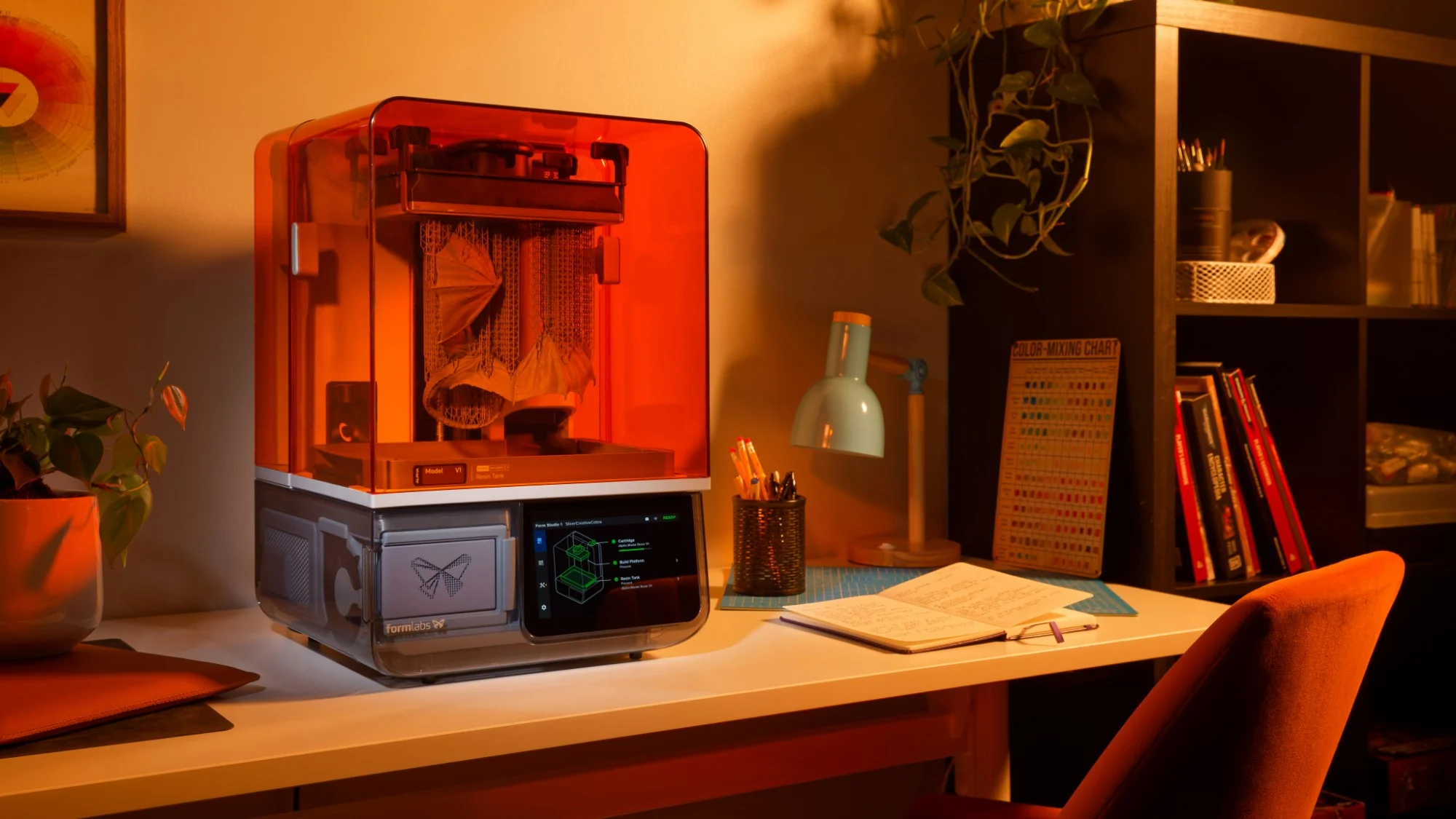
Formlabs pioneered the professional vat polymerization segment. It made resin printing accessible and reliable for businesses and the professional maker community. It locked down everything, controlled everything, and focused on the user interface (UI). This made for well-working systems. Later, Formlabs made industry-specific and larger systems. For dental, they developed their own resins, which they manufacture in-house. Its resin printer lineup ranged from $2,500 to $16,000. The company developed low-force SLA and MSLA technology, as well as sintering. In its LPBF line, it’s adding the X1, meaning a Fuse is $24,000, and the X1 starts around $84,999. Surprisingly, Formlabs also just released a $669 vat polymerization system, the new Form Studio 1. As it stands, the firm has a fairly complete lineup of resins, a somewhat limited lineup of powders, great software, and a global presence with offices in China and Germany.
Situation
Formlabs is overripe for an IPO. Creality did go public; its share price shimmers up and down a bit in a range, and it has a market cap of $1.5 billion, with revenues of around $500 million. Bambu Lab has revenues of over $1 billion. Elegoo recently raised a $70 million round from DJI and other notable investors, including Meituan, Hillhouse Investment, and Shenzhen Capital Group. Meanwhile, HeyGears got a $40 million round to go from dental SLA to desktop full-color inkjet 3D printing. DED firm Rongsu recently raised $40 million to release a desktop LPBF machine, the SnowX SnowPod. Snapmaker recently got investments from Hillhouse and Meituan. eufyMake is doing well, and its parent, Anker, has deep pockets, but it has left material extrusion and is focusing on UV desktop and full-color inkjet. So the excitement is around desktop full-color inkjet, UV flatbed technologies, and machines that print objects and on T-shirts. Formlabs may feel like a big player in our industry, but in reality, giant Chinese firms have joined the fray, making them small.
At the same time, there is a Deskside Manufacturing Revolution afoot. We first wrote about this in 2025, and then we saw that a much broader group of desktop machine tools was emerging. Laser cutters, CNC, lathes, and now UV flatbed are growing quickly. Funding, especially in firms committed to releasing more desktop-level machines, is high in China. So the shot clock is ticking, folks.
The Chinafication of Formlabs
While Formlabs remains a US company, its center of gravity is increasingly to be found in China. We’d assume that if the company were to go public, it would do so in China. Formlabs manufactures all hardware in China through several partners. Its latest investors Concorde are Chinese too. The firm also opened a Chinese R&D facility in Shenzhen in 2025, which lets it develop things at Shenzhen speed and Shenzhen cost. The rapidity of development there and the vastness of it all gives them an edge. This team was the one that developed the Form Studio 1.
At the end of 2024, I begged 3D printer manufacturers to Race to the Bottom. Reflexively saying that you don’t race to the bottom, or won’t, is not a strategy. And time and time again I saw companies not try the low cost option. Formlabs has, and this is fantastic. And rather than try to do it in the US, they did it in China. This is excellent. But, it also shows just how little of the value remains in having operations in the US. China is becoming the “it can do it all” country for machine tools and electronics.
Fireline
Rather obviously therefore, the Chinese focus on low-cost machine tools is not coincidental, but part of a broader strategy to conquer new markets. With new low-cost country and retired/side gig people, the low-cost desktop machine tool market could eclipse the regular one. Decentralization will be felt there as well. I’ll go into this deeper in another article.
So in order to stay ahead of all of these giant Chinese companies, Formlabs doubled down on low cost SLA. It places its new system at the higher end of the Phrozen and Elegoo desktop systems. This acts as a stopgap from them moving up more into Formlabs’ territory. This is exactly what Stratasys tried to do with Makerbot, to cut itself a Fireline. Smokejumpers and other forest firefighters often make firelines, where they attempt to remove all of the fuel from one area in front of an advancing fire to slow or stop its spread. This will make the low-cost guys’ high-end space more competitive, deprive them of resources to up their game, and compete with any new higher end systems that they may make. It also acts as a reference point for a well-known brand printer that probably works well, inhibiting Phrozen from staking out some immensely profitable spot around $800 with a cheap but feature-rich cash cow. So in that context, it’s not that surprising at all really. It makes perfect sense; it’s kind of one of those perfect opening moves you have in checkers.
And Now What?
Formlabs could cannibalize its own sales. But, in today’s competitive markets, I don’t think companies should worry about this too much. Win whatever you can, while you can, and don’t handicap yourself. Formlabs could continue to have a Toyota and a Lexus in one company, and target markets from the appropriate places, reaping the rewards of being both China and US “native.” The printer could also do well. But, even if it does not, this is the correct play and they needed to do it now.
By entering into the consumer market and even having an open system, the company has made a statement. And to me, the prize is not success in the printer space there. When interviewing dentists, we see that many opt for the cheapest printer that they can get. But, they rely on premium resins from the likes of Bego because of trust. To me, if Formlabs leverages its new distribution and market entry correctly, it could become a much bigger resin supplier to the desktop market. If it comes out with a wide array of safe, relatively affordable resins and sells them across the desktop market, this could very well be the biggest payoff for them in margins, and also in long-term sustainability, Currently it’s selling resins for the new printer at $29 a liter. Formlabs’ ability to research and make its own resins in the US is one of its greatest assets. If people start noticing that some resins on the desktop market are downright dangerous, then we should see movement there. And if the company becomes one of the biggest resin sellers in the broader market, then it will have more market power, a second business, and economies of scale.
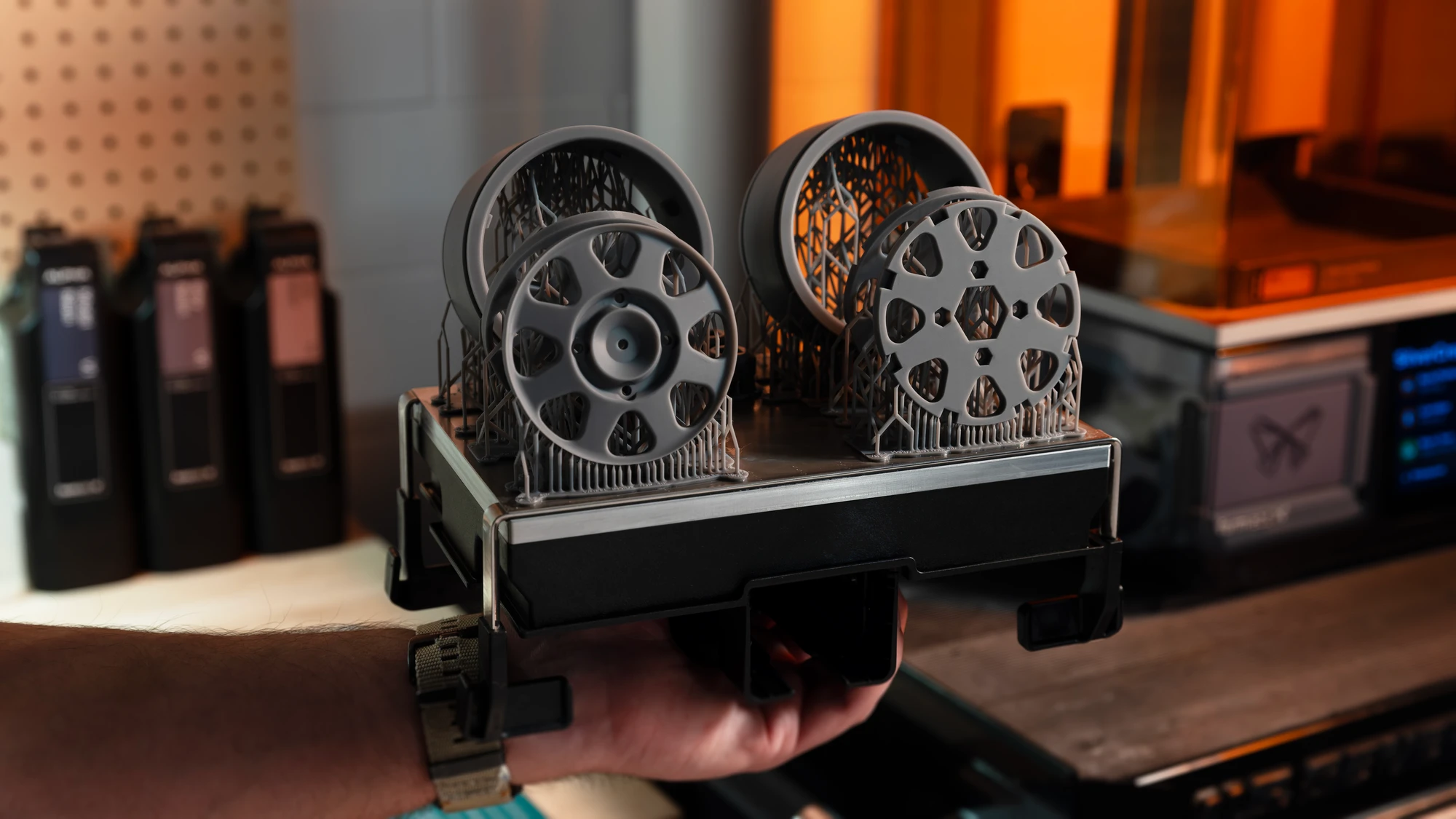
Formlabs could have overextended itself with the twin assaults on new markets simultaneously. That could generate some “fog of war” stuff, or lead to the draining of resources. It could stumble in one or two of its new market entries as well. The firm needs to show gumption and growth now however, or the IPO may never happen. The roll out of the X1 looks to me like an especially complex thing to do well. And expectations will be high there.
As for the desktop, at the same time by nudging Anker and others towards UV Flatbed and full color desktop inkjet, Formlabs may have strengthened its niche. The firm will have to contend with these firms in the larger desktop machine tool market, but could find in them an exit as well. All in all, it’s a solid move, but the coming year will be a watershed one for the 15-year-old company.
Featured Image: Intermountain
Subscribe to Our Email Newsletter
Stay up-to-date on all the latest news from the 3D printing industry and receive information and offers from third party vendors.
Upload your 3D Models and get them printed quickly and efficiently.